
Love Like This: Reshaped

Parenthood reshapes the parent too.
I’m fairly convinced that whenever you start learning something new about patience, grace, or parenting, life immediately schedules a real-time exam—just to see if you were actually listening.
I think most thoughtful parents have had the same spiral at some point. The one that starts with a small observation and quickly grows into a much bigger question:
Am I messing up my kids?
It’s the kind of thought that can keep you awake at night replaying moments in your mind—
—the time you snapped when you were overwhelmed,
—the frustrated tone you didn’t realize you were using,
—the day you were so focused on getting things done that you didn’t notice how small your child felt in that moment.
If you’re anything like me, those reflections can spiral quickly into the quiet fear that maybe you’re doing more damage than you realize. But lately I’ve begun to notice something else in those moments too—not condemnation, but correction.
A gentle slowing down and an invitation to look more closely at the way love actually works inside a home.

Children are always learning how the world works. They learn what love looks like. They learn what mistakes mean. They learn whether relationships survive hard moments. They are constantly forming tiny conclusions about how people treat one another. And if we’re honest, we are learning too.
Parenting is not just raising children. It’s a long process of God reshaping the adults raising them. The patience we thought we had. The grace we assumed came naturally. The tone we didn’t realize we were using. Little by little, God reveals these things—not to shame us, but to grow us.
The more I sit with these moments, the more I’ve realized something important. The goal of parenting isn’t perfection.
The goal is relationship that can be repaired.
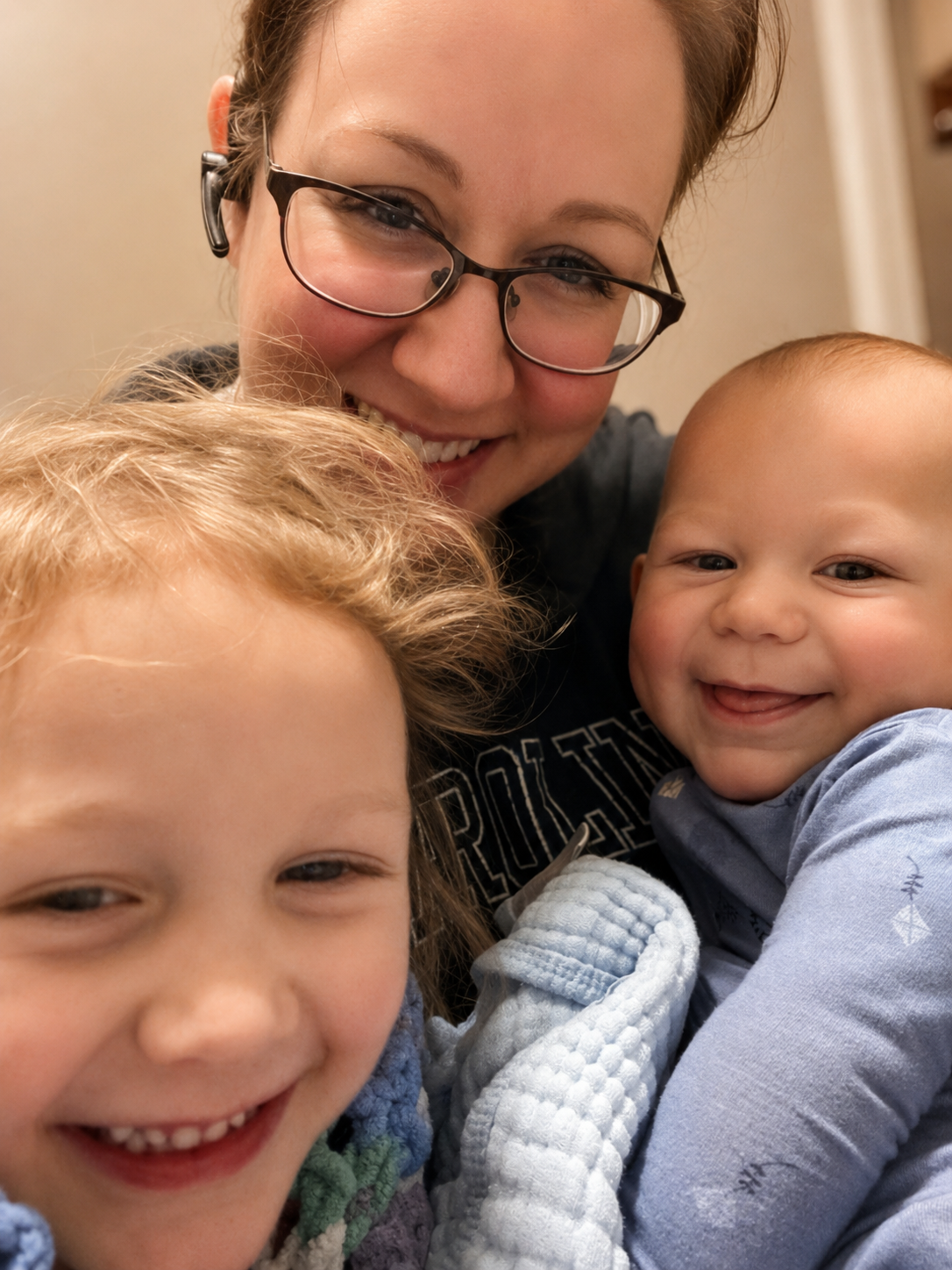
Homes where mistakes happen but belonging isn’t threatened. Where children learn that correction exists, but love remains steady.
And if I’m honest, that kind of love is something I’m still learning myself. Because the way God relates to us is very different from the way many of us assume He does.
“For he knoweth our frame; he remembereth that we are dust.” (Psalm 103:14).
God isn’t surprised by our weakness. He already knows what we are. And yet the entire story of the gospel is about Him moving toward us anyway—repairing the relationship, restoring what we break, making a way for belonging to remain even when we fail.
I am responding to a growing realization that loving my family well actually begins somewhere else entirely—with letting God’s love reshape my own heart first.
Because the more I watch my children, the more I realize that sometimes they understand love better than we do.
And somehow, through them, God is teaching me to love—like this.
